Overnight Camping Checklist For Every Season
Modern Nomadic Real Estate Ideas for Outdoor Lovers
There was a time when "home" meant one address, one roof covering, one zip code permanently. That idea is fading quickly, especially for individuals who prefer to wake up beside a river than a heavy traffic. Today's outside fanatics are rewording the regulations of shelter, trading durability for mobility without giving up convenience. The outcome is a wave of nomadic housing designs constructed especially for a life spent chasing trailheads, trend graphes, and clear night skies.
Why Nomadic Living Appeals to Outdoor Lovers
For walkers, mountain climbers, paddlers, and van-lifers, a repaired home can feel like a chain. Every great experience requires traveling time, and every travel day away from a fixed home is a day of paying for a room you're not utilizing. Nomadic housing turns that formula. The home relocations with you, so there's no gap in between where you live and where you play.
Freedom Without Sacrificing Convenience
The most significant misunderstanding concerning mobile living is that it indicates roughing it permanently. Modern nomadic builds show otherwise. Insulated wall surfaces, compact cooking areas, solar energy, and brilliant storage now come common in numerous builds, meaning a transformed van or trailer can feel extra like a well-designed small apartment than a camping tent on wheels.
Lower Expense, Lower Impact
Past the lifestyle appeal, there's a functional instance also. Nomadic housing generally costs a portion of standard property, skips property taxes oftentimes, and utilizes less products and much less power to run. For someone who already values minimal effect on the path, a smaller sized, self-dependent home is an all-natural expansion of that values.
Popular Modern Nomadic Real Estate Options
Camper Vans and Sprinter Conversions
The timeless van construct remains the most flexible option. A converted Sprinter or Transit can include a bed platform, little kitchen area, water system, and solar configuration, all while still fitting into a routine auto parking area. For a person that intends to browse in the early morning and go to a climbing up fitness center that night, nothing beats the door-to-door benefit of a van.
Overland Trucks and Rooftop Tents
For those who need to leave pavement behind entirely, overland rigs paired with roof outdoors tents open backcountry accessibility that vans can not reach. These configurations prioritize ground clearance and off-road capability, with the living space perched securely over the vehicle bed, far from mud, bugs, and curious wildlife.
Tiny Houses on Wheels
Tiny homes on trailers offer more square video and an extra household feeling than a van, while still being towable in between places. They're a strong choice for exterior fanatics that want a steady seasonal base, like a mountain town in summer season and a desert place in wintertime, without dedicating to a fixed mortgage.
Yurts and Portable Cabins
For a slower sort of nomadism, canvas yurts and panelized mobile cabins can be established on leased land or through membership-based land networks. They take longer to transfer than a lorry, yet they provide generous interior room, genuine furniture, and a genuine feeling of sanctuary that attract people intending to sit tight for a season or more.
Roof and Trailer Crossbreed Campers
Compact teardrop trailers and crossbreed campers split the difference between a van and a tent. They're light adequate to tow behind nearly any type of vehicle, fast to establish, and frequently include simply enough kitchen and resting area to make multi-week trips comfy.
Designing for Life on the Move
Solar Energy and Water Self-reliance
Whatever the structure, the systems inside issue as long as the shell. Photovoltaic panel paired with lithium battery financial institutions now let nomadic crowning achievement refrigerators, lights, and even induction cooktops off-grid for days. Onboard water containers and basic filtration systems suggest fewer stops for basic demands, leaving more time for the outdoors itself.
Multi-Use Furnishings and Storage
Space is the one source nomadic housing can not produce, so excellent style leans on furniture that draws double obligation: benches that hide equipment, beds that fold right into desks, and vertical storage space built around bikes, boards, and boots. The best builds treat every cubic inch as a possibility instead of a limitation.
Connection for Remote Work
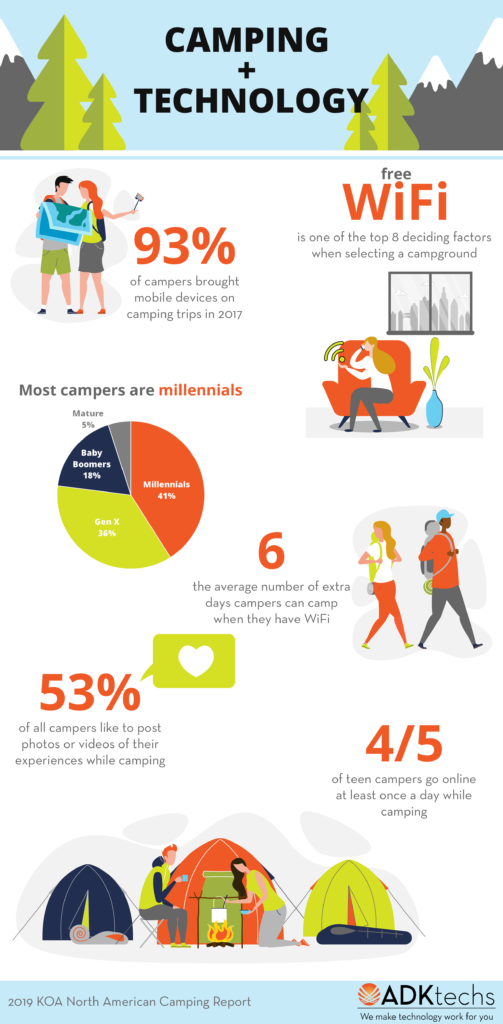
Given travel tote bags that numerous modern wanderers function remotely, cellular boosters and satellite internet units have become usual additions, allowing people hold back a task from a trailhead parking area as conveniently as from an office.
Choosing the Right Fit
There's no single "ideal" nomadic home, just the one that matches a person's pace, budget plan, and surface. A person chasing browse breaks may want a nimble van, while a person clearing up into a slower rhythm could favor a yurt on leased land. The typical string throughout every option coincides: sanctuary that offers the journey, as opposed to holding it back.